
60ª Bienal de Arte de Veneza: Stranieri Ovunque - Foreigners Everywhere
20 de abril a 24 de novembro de 2024
Curadoria: Adriano Pedrosa
Giardini della Biennale, Veneza, Itália

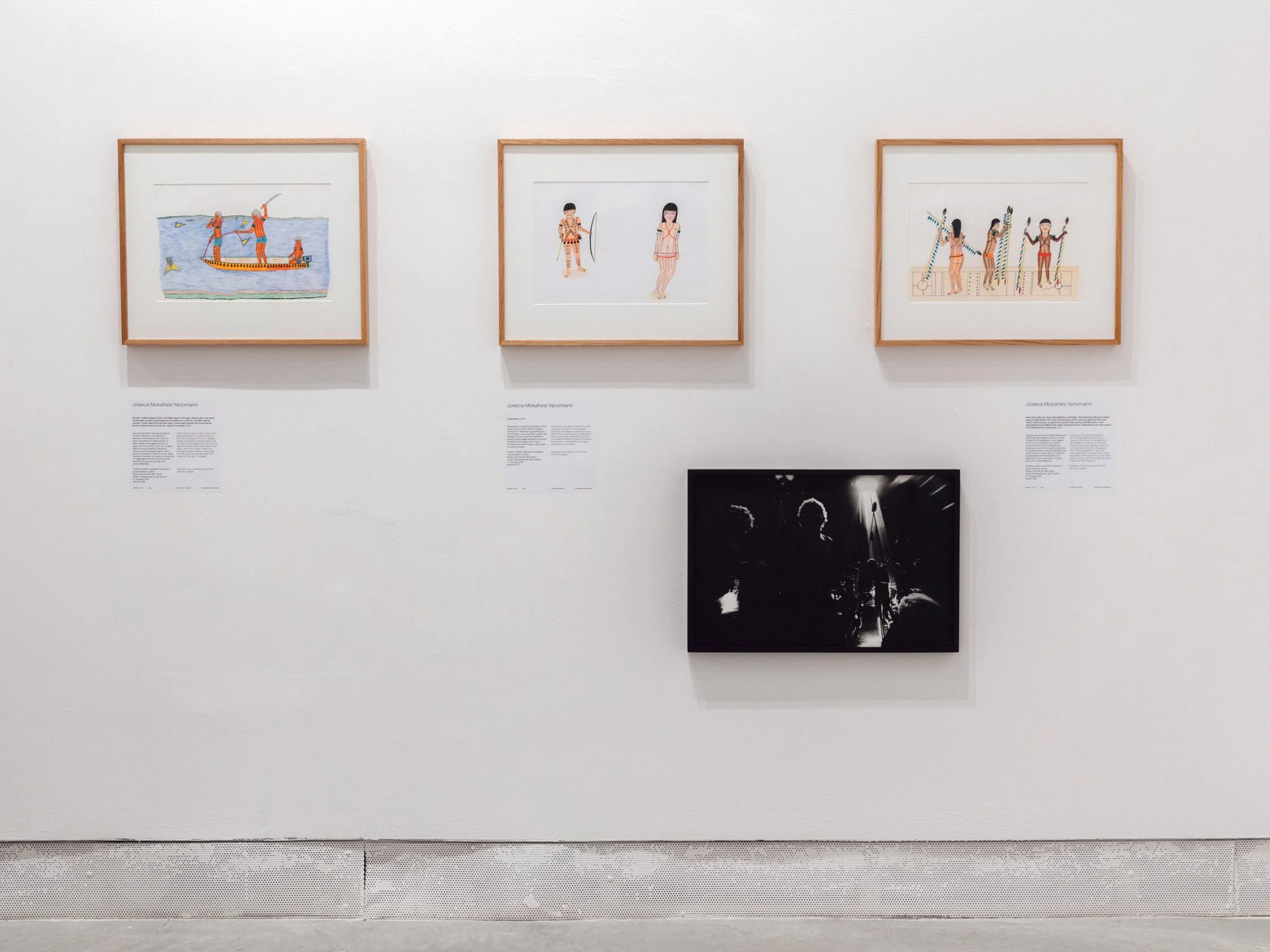
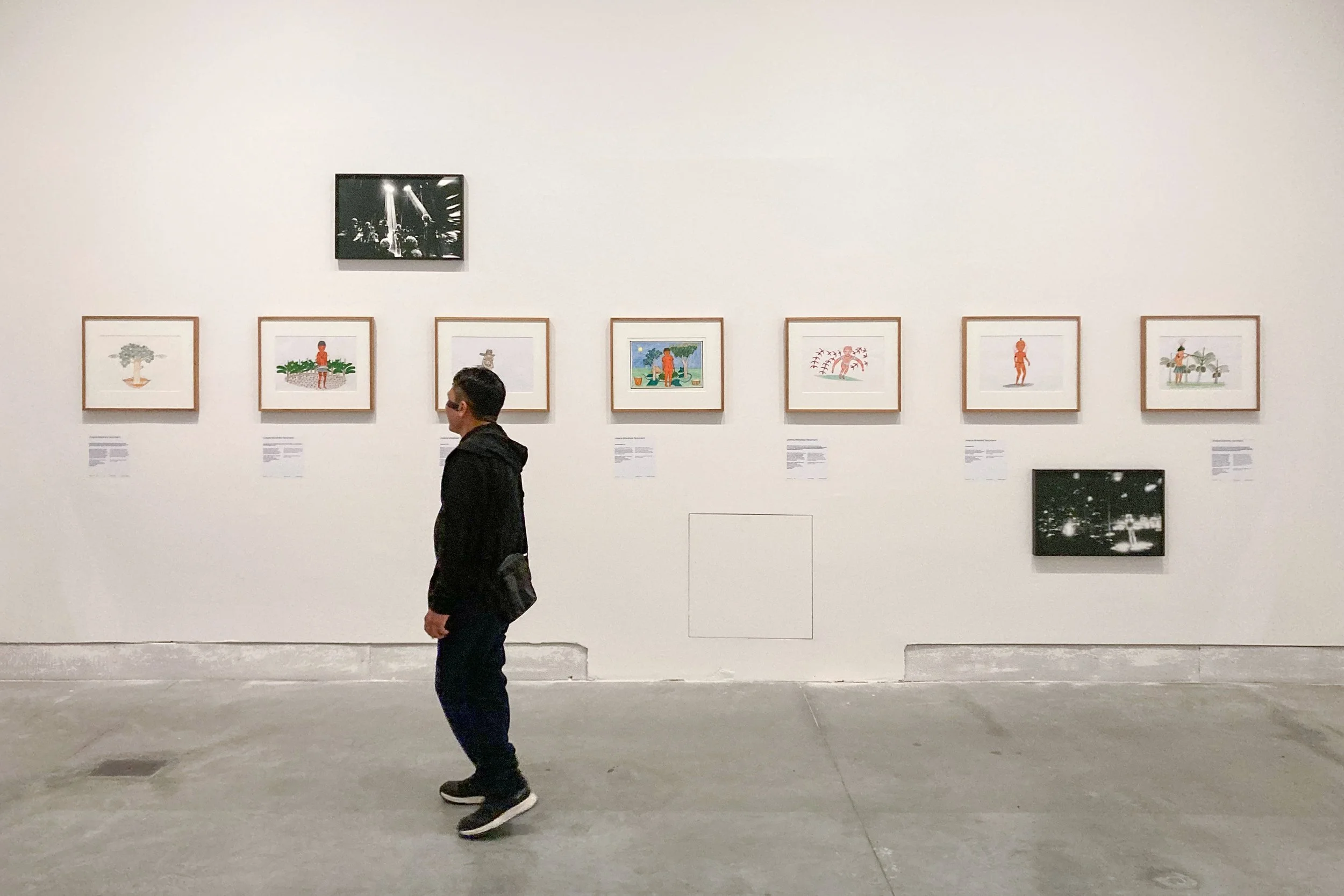
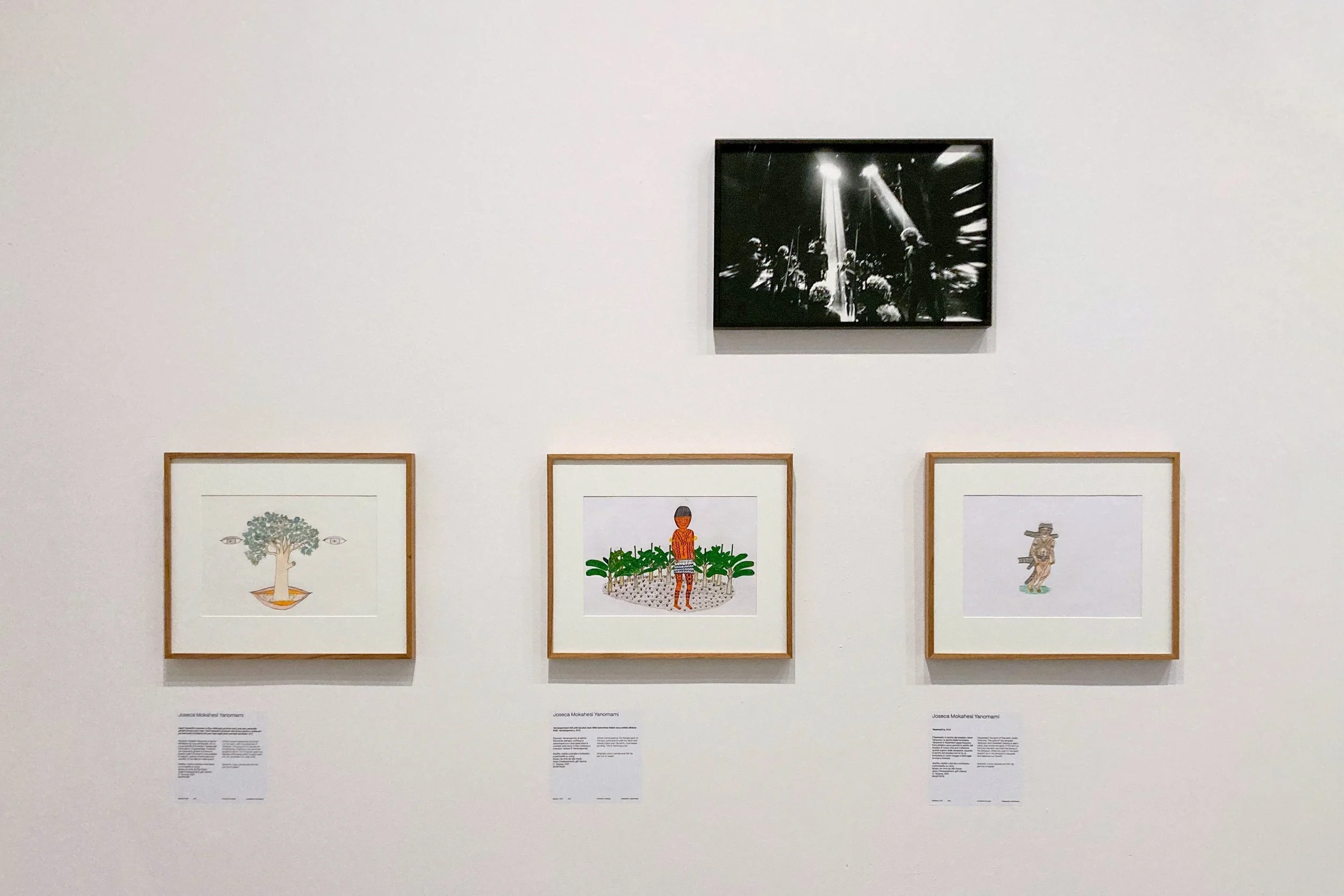
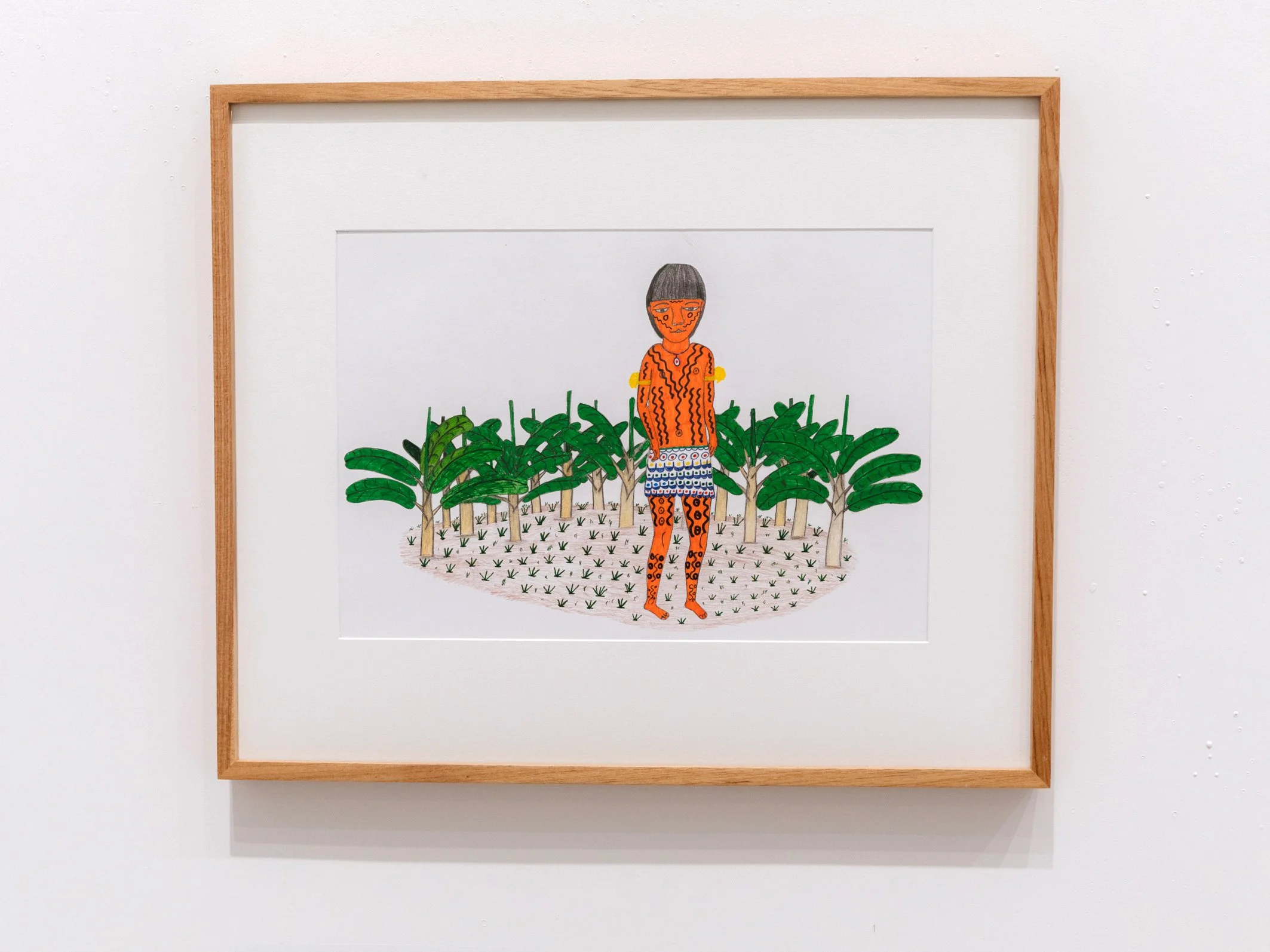
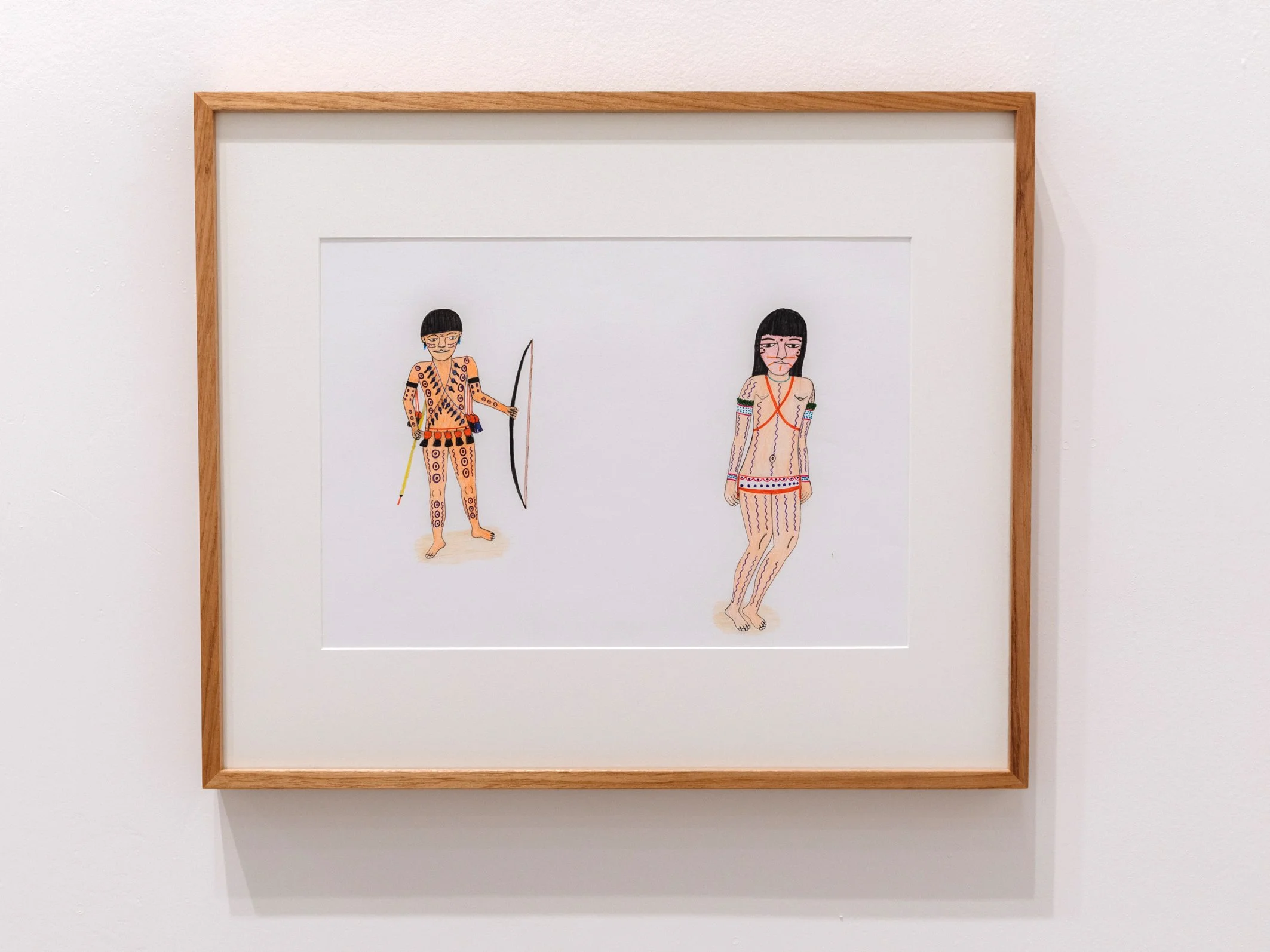
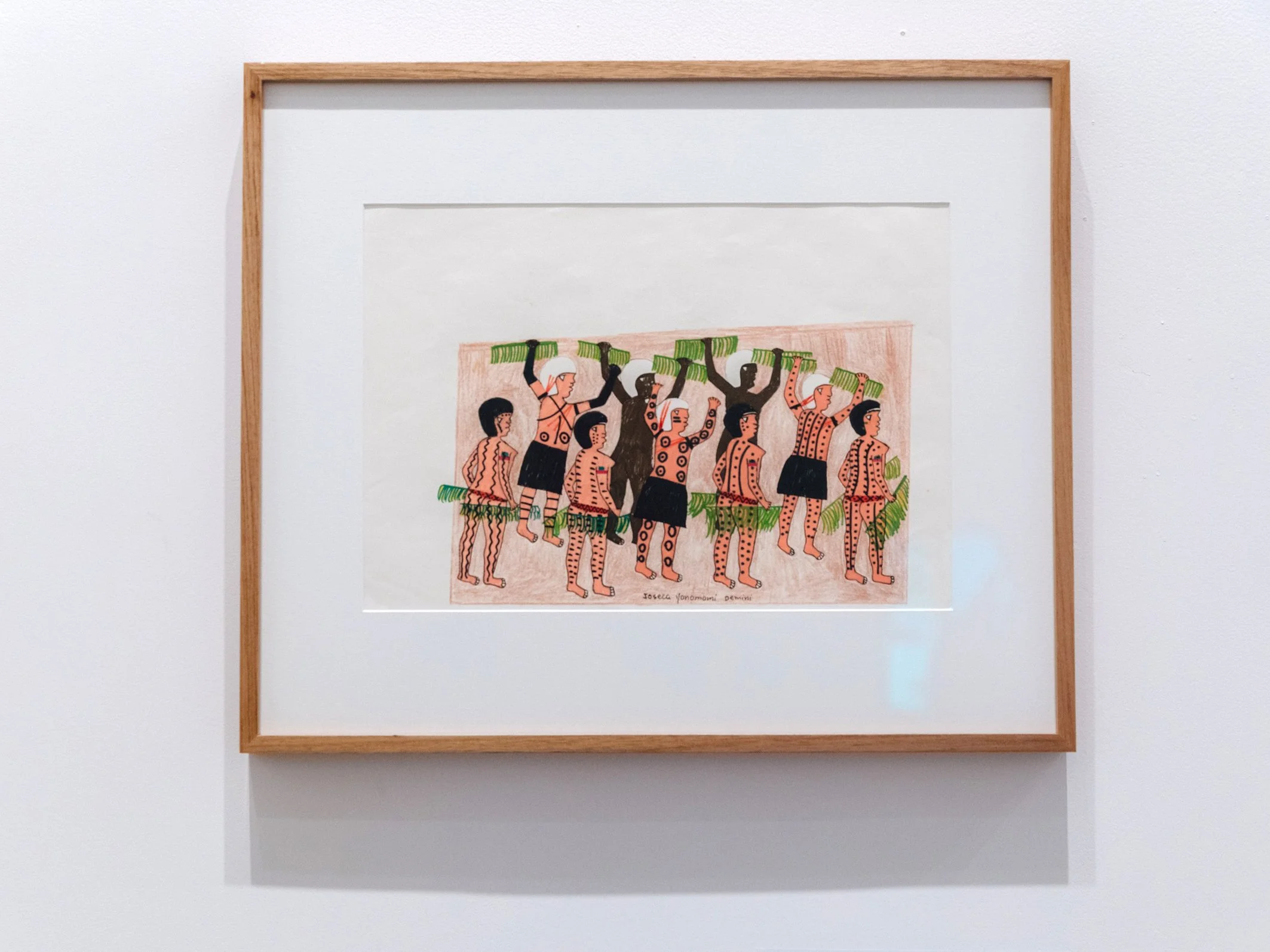
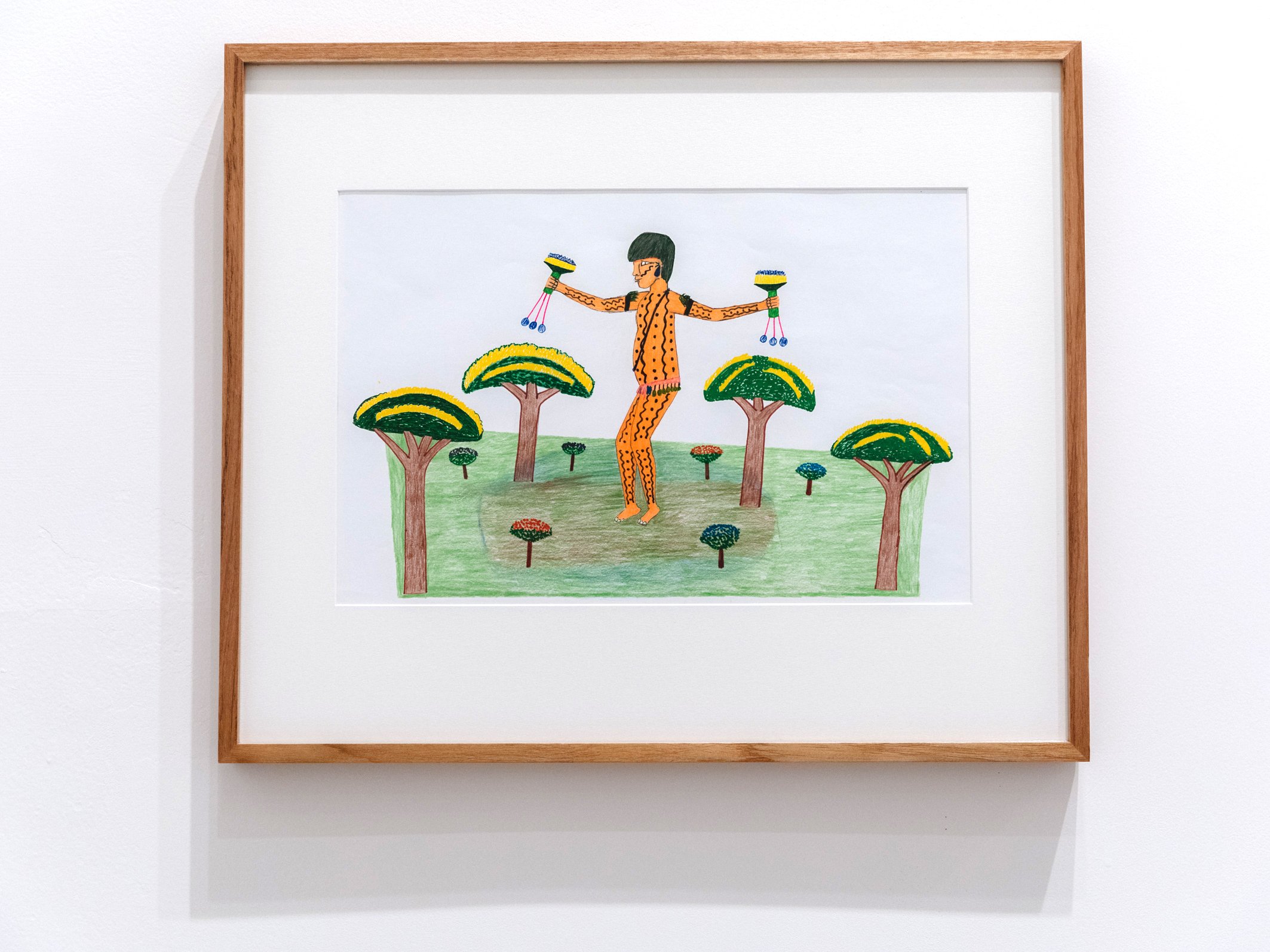
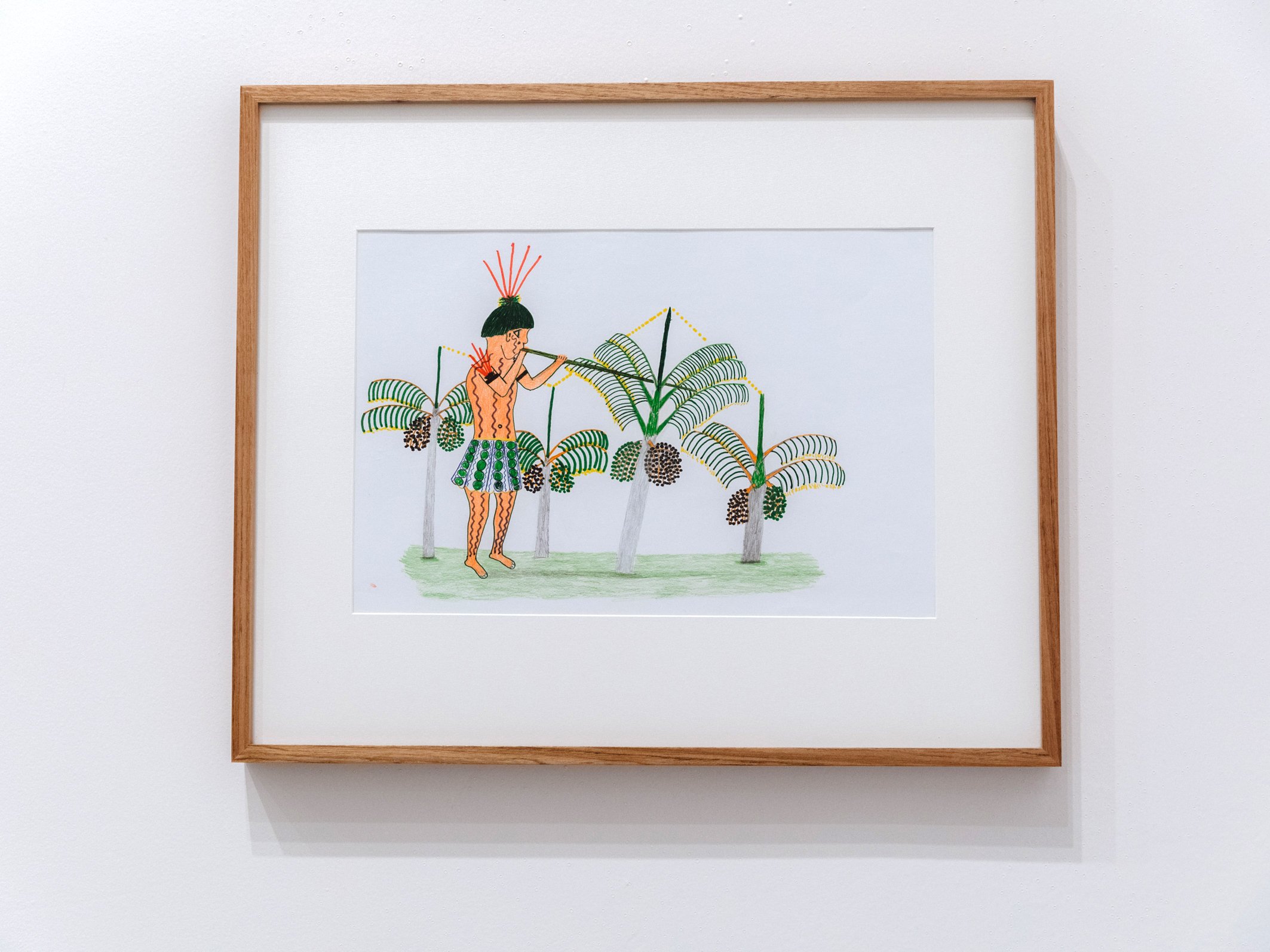
Fotos: Mateo de Mayda e Daniel Jabra
The title of the 60th International Exhibition of La Biennale di Venezia is drawn from a series of works made by the Paris-born and Palermo-based collective Claire Fontaine since 2004. The works consist of neon sculptures in different colors that render in a growing number of languages the expression “Foreigners Everywhere”. The expression was in turn appropriated from the name of a collective from Turin that in the early 2000s fought racism and xenophobia in Italy: Stranieri Ovunque. There are currently some 53 languages in Claire Fontaine’s series of neon scultpures, both western and non-western, including several indigenous languages, some that are in fact extinct—they will be exhibited at the Biennale Arte this year in a new, large-scale installation in the iconic Gaggiandre shipyards in the Arsenale.
The backdrop for the work is a world rife with multifarious crises concerning the movement and existence of people across countries, nations, territories and borders, which reflect the perils and pitfalls of language, translation, nationality, expressing differences and disparities conditionedby identity, nationality, race, gender, sexuality, freedom, and wealth. In this panorama, the expression Foreigners Everywhere has several meanings. First of all, that wherever you go and wherever you are you will always encounter foreigners—they/we are everywhere. Secondly, that no matter where you find yourself, you are always truly, and deep down inside, a foreigner. In addition, the expression takes on a very particular, site-specific meaning in Venice: a city whose original population consisted of refugees from Roman cities, a city that was at one point the most important centre for international trade and commerce in the Mediterranean, a city that was the capital of the Republic of Venice, dominated by Napoleon Bonaparte, and taken over by Austria, and whose population today consists of about 50,000 residents that may reach 165,000 in a single day during peak seasons due to the enormous number of tourists and travelers—foreigners of a privileged kind—visiting the city. In Venice, foreigners are everywhere. Yet one may also think of the expression as a motto, a slogan, a call to action, a cry— of excitement, joy or fear: Foreigners Everywhere! More importantly, it assumes a critical signification today in Europe, around the Mediterranean and in the world, when the number of forcibly displaced people hit the highest in 2022, at 108.4 million according to the United Nations High Commissioner for Refugees, and is expected to have grown even more in 2023.
Artists have always traveled and moved about, under various circumstances, through cities, countries and continents, something that has only accelerated since the late 20th century—ironically a period marked by increasing restrictions regarding the dislocation or displacement of people. The Biennale Arte 2024’s primary focus is thus artists who are themselves foreigners, immigrants, expatriates, diasporic, émigrés, exiled, or refugees—particularly those who have moved between the Global South and the Global North. Migration and decolonization are key themes here.
Nucleo Contemporaneo
The Italian stranieri, the Portuguese estrangeiro, the French étranger, and the Spanish extranjero, are all etymologically connected to the strano, the estranho, the étrange, the extraño, respectively, which is precisely the stranger. Sigmund Freud’s Das Unheimliche comes to mind—the uncanny in English, which in Portuguese has indeed been translated as “o estranho”–the strange that is also familiar, within, deep down side. According to the American Heritage and the Oxford Dictionaries, the first meaning of the word queer is strange, and thus the Exhibition unfolds and focuses on the production of other related subjects: the queer artist, who has moved within different sexualities and genders, often being persecuted or outlawed; the outsider artist, who is located at the margins of the art world, much like the self-taught artist, the folk artist and the artista popular; as well as the indigenous artist, frequently treated as a foreigner in his or her own land. The productions of these four subjects are the interest of this Biennale Arte, constituting the International Exhibition’s Nucleo Contemporaneo, and although their work is often informed by their own lives, experiences, reflections, narratives and histories, there are also those who delve into more formal issues with their own strange, foreign or indigenous accent.
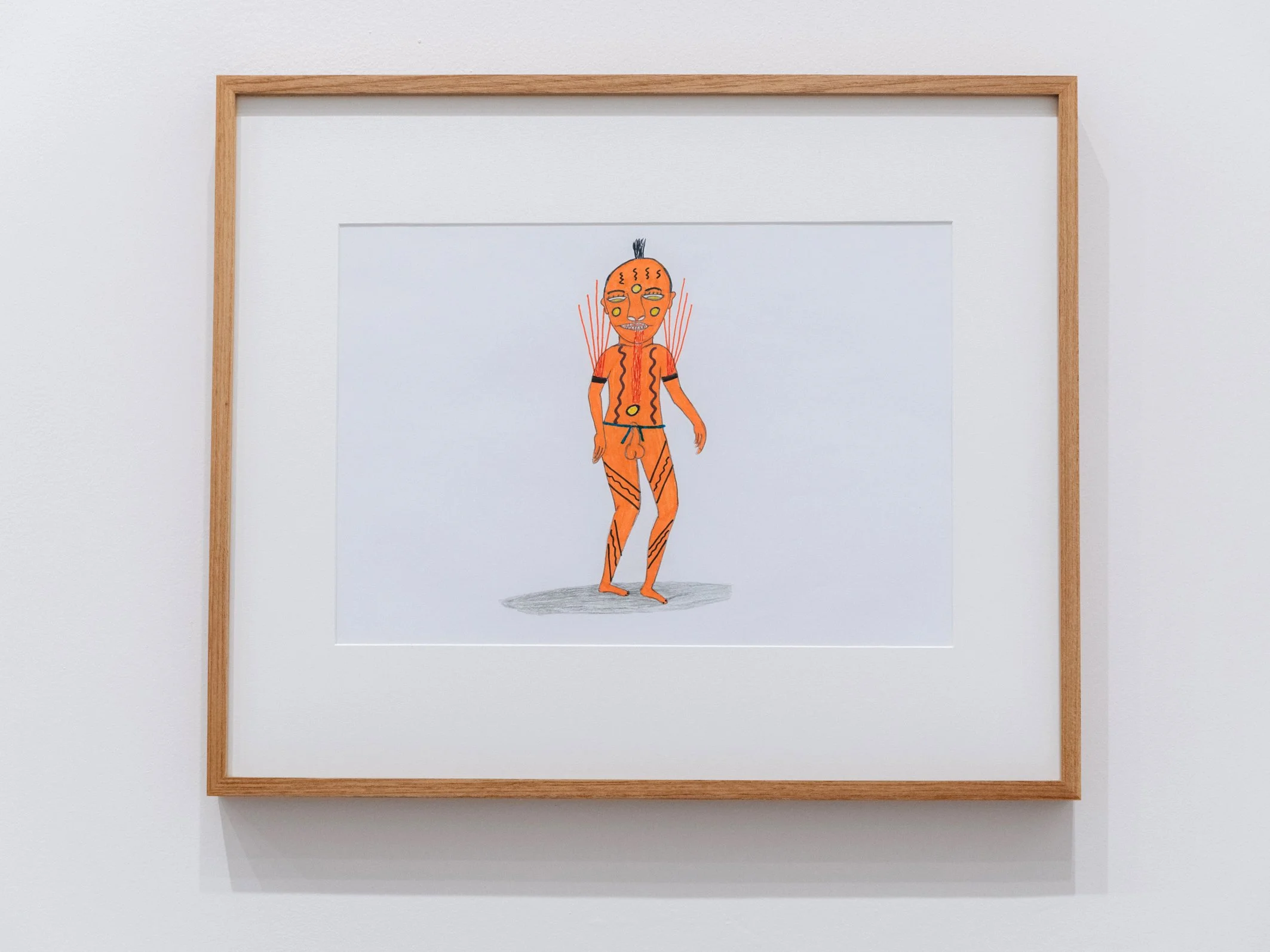
Indigenous artists have an emblematic presence in the International Exhibition, and their work greets the public in the Central Pavilion, where the Makhu collective from Brazil will paint a monumental mural on the building’s façade, and in the Corderie in the Arsenale, where the Maataho collective from Aotearoa—New Zealand will present a large-scale installation in the first room, two other iconics locales in the exhibition. Queer artists appear throughout the exhibition, and are also the subject of a large section in the Corderie, which gathers works by artists from Canada, China, India, Mexico, Pakistan, the Philippines, South Africa, and the USA, and one devoted to queer abstraction in the Central Pavilion, with works by artists from China, Italy, and the Philippines. From Europe, three of its most remarkable female outsider artists are presented: Madge Gill, from the United Kingdom, Anna Zemánková, from the Czech Republic, and Aloïse, from Switzerland.
The Nucleo Contemporaneo will feature a special section in the Corderie devoted to the Disobedience Archive, a project by Marco Scotini, which since 2005 has been developing a video archive focusing on the relationships between artistic practices and activism. In the Biennale Arte 2024, the presentation of the Disobedience Archive is designed by Juliana Ziebell, who also worked in the exhibition architecture of the entire International Exhibition. The section is divided into two parts especially conceived for our framework, diaspora activism and gender disobedience, and will include works by 39 artists and collectives made between 1975 and 2023.
Saiba mais em https://www.labiennale.org/en/art/2024